Don't Sweat It: How to Prepare Your Roof for the Intense Virginia Summer Heat
The long, sunny days of a Roanoke summer are something we all look forward to. From evenings on the porch to weekends exploring the Blue Ridge, it’s a beautiful time of year. But while we’re enjoying the sunshine, our roofs are taking a beating. The intense heat and relentless UV rays can cause significant stress and premature aging, leading to costly repairs down the road. Preparing your roof for the summer is one of the smartest investments you can make in your home’s long-term health and comfort. At Solutions Roofing, we believe in proactive care to protect your biggest asset. This guide will walk you through why summer heat is a formidable opponent for your roof and what you can do to ensure your home stays protected.
The Hidden Dangers of Sun and Heat on Your Roof
It’s easy to underestimate the impact of a hot summer day, but the cumulative effect of heat and sun exposure can be incredibly damaging to roofing materials. The primary concern for homeowners is avoiding unexpected failures and the high costs associated with emergency repairs. Understanding how the sun affects your roof is the first step in prevention.
- Thermal Shock: Throughout the day, your roof absorbs a massive amount of heat, causing the materials to expand. As temperatures drop overnight, they contract. This constant cycle of expansion and contraction, known as thermal shock, creates stress that can lead to cracks, splits, and weakened seals over time.
- UV Ray Degradation: The sun's ultraviolet (UV) rays are particularly harsh on asphalt shingles. They break down the chemical bonds in the asphalt, causing the shingles to become brittle, dry, and prone to cracking. This process also loosens the protective granules that shield the shingle from the elements, accelerating its decline.
- Attic Overheating: An improperly ventilated roof traps superheated air in your attic. This intense heat can bake your roofing materials from the inside out, warping the roof deck and compromising the entire structure. Furthermore, a hot attic forces your air conditioning system to work overtime, leading to significantly higher energy bills—a major pain point for any homeowner.
Telltale Signs Your Roof is Suffering from Sun Damage
How can you tell if the summer heat is already taking a toll? A quick visual inspection (from the safety of the ground) can reveal several key warning signs. Catching these issues early can prevent a small problem from turning into a major one.
Here’s what to look for:
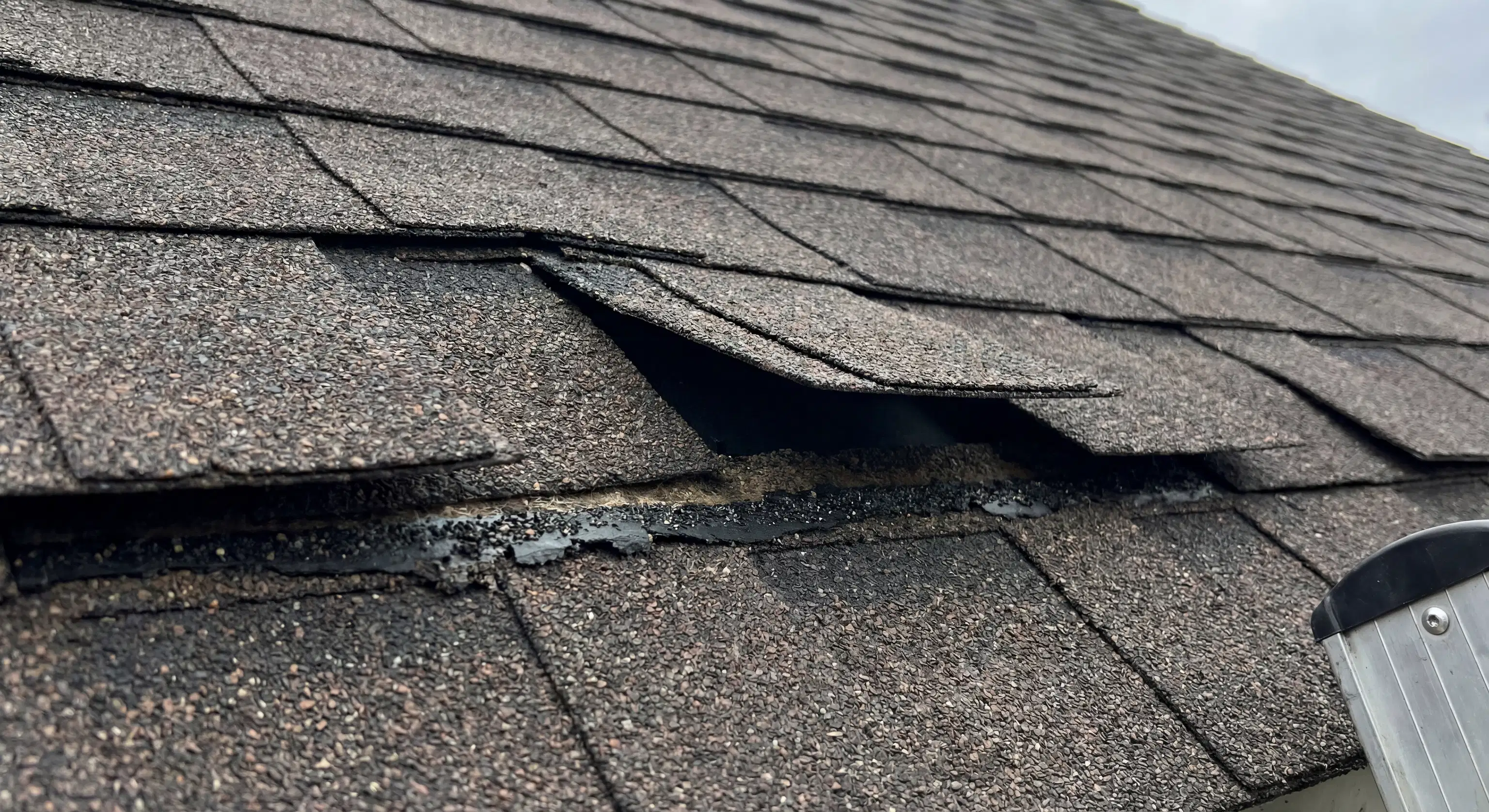
- Curling or Clawing Shingles: If the edges of your shingles are turning upward (curling) or the middle is starting to pop up (clawing), it’s a clear sign of heat damage and aging.
- Cracked Shingles: Look for visible cracks, which can range from fine, hairline fractures to larger, more obvious splits. These are direct entry points for water.
- Excessive Granule Loss: Check your gutters and downspouts for an accumulation of black, sand-like granules. These granules are the top protective layer of your shingles, and their loss exposes the underlying asphalt to UV rays.
- Faded or Discolored Patches: A roof that looks patchy or uneven in color has likely suffered significant UV degradation. This indicates that the protective qualities of the shingles have been compromised.
Proactive Solutions for a Heat-Resistant Roof
Fortunately, you can take steps to fortify your roof against the summer onslaught. The best strategies involve improving your roof's ability to manage heat, which not only protects the structure but also enhances your home's overall energy efficiency.
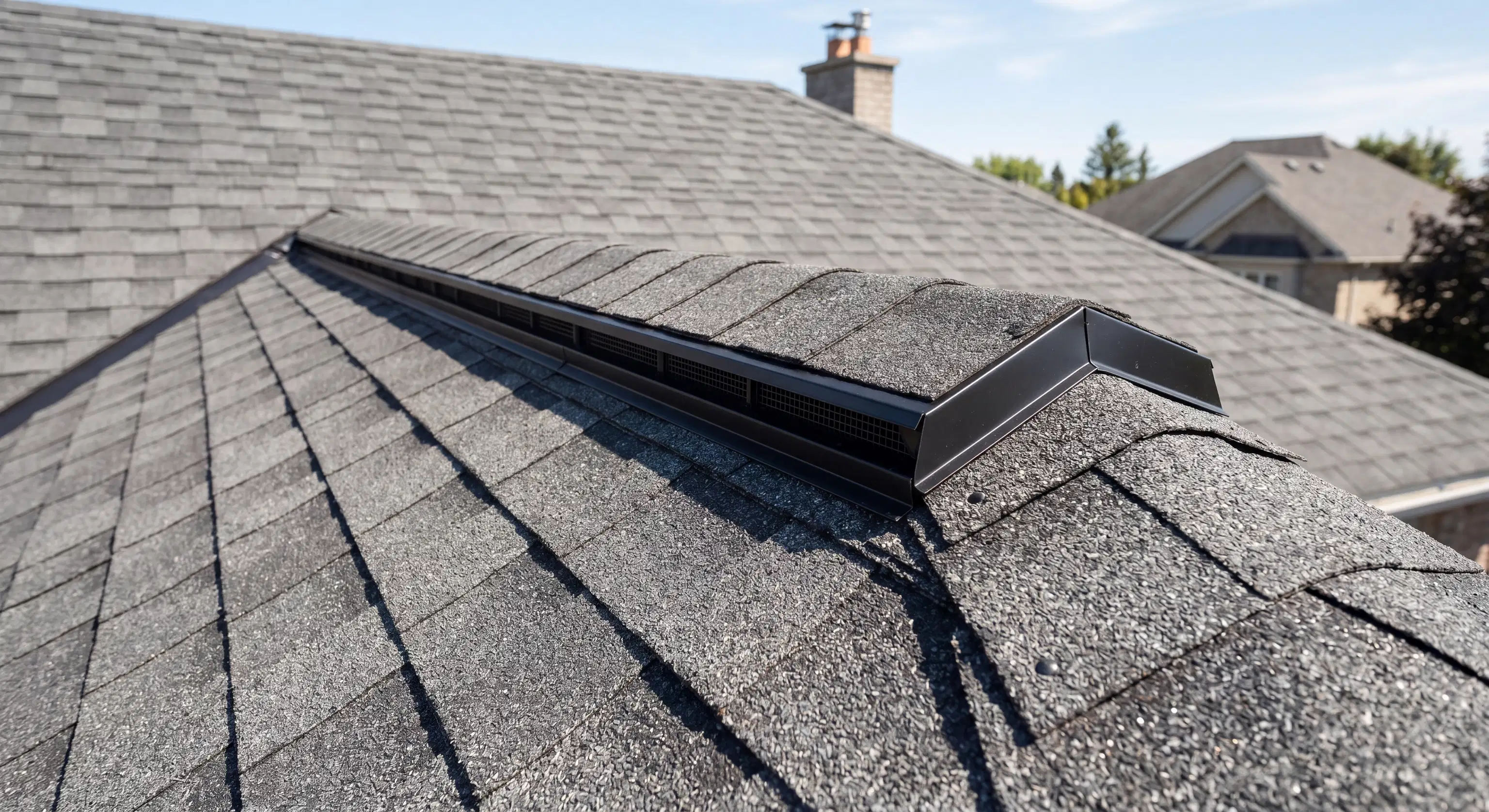
1. Prioritize Proper Attic Ventilation: A well-ventilated attic is your number one defense against heat buildup. A balanced system of intake vents (at the lower part of your roof, like soffits) and exhaust vents (near the peak, like ridge vents) allows cool air to enter and pushes hot air out. This continuous airflow keeps your attic temperature much closer to the ambient outdoor temperature, protecting your roof structure and lowering your cooling costs.
2. Choose the Right Materials: If your roof is nearing the end of its life, consider upgrading to materials designed for our climate. Modern architectural shingles, like the Atlas Pinnacle Pristine shingles we recommend, often feature cool-roof technology with reflective granules that bounce UV rays away. For maximum durability and heat reflection, a metal roof is an excellent long-term investment that can significantly reduce heat absorption.
3. Schedule a Professional Inspection: The safest and most effective way to assess your roof's condition is to have a professional take a look. An expert can identify subtle signs of damage you might miss, check for proper ventilation, and provide a clear picture of your roof's health before the summer heat peaks.
Protect Your Home for Summers to Come
The summer heat in the Star City is no joke, and your roof bears the brunt of it. By understanding the signs of sun damage and taking proactive steps like ensuring proper ventilation and choosing heat-resistant materials, you can extend the life of your roof, lower your energy bills, and gain valuable peace of mind. A strong, healthy roof is essential for protecting your family and your investment.
Don't wait for a problem to appear. If you have concerns about your roof's readiness for summer, the team at Solutions Roofing is here to help. We offer comprehensive residential roofing services and can provide a free, no-obligation inspection to ensure your Roanoke home is protected. Contact us today to schedule your appointment!